Habits die hard … but there are ways to change buyer expectations.

What’s the easiest way to change time-honored expectations? With dollar signs.

Humans are creatures of habit. Even little kids gravitate towards the “patterns” of daily life such as bedtime rituals.

These forces are what make it so challenging for companies and brands to introduce changes that go against habit.

We’ve seen this play out recently in two segments of the travel industry: airlines and hotels.

Challenging in both cases … but the changes in one are being accepted, while summarily rejected in the other.
untitledLet’s start with the initiative that’s flamed out. This past November, Hilton Worldwide launched a pilot at a number of its hotel properties where it began charging guests a penalty of $50 if a reservation needed to be canceled any time after booking.

The rationale for the initiative was the notion that hotels should join the rest of the world when it comes to the way its products are sold. After all, for most any product, once someone purchases it they’ve committed to buy it.

Not so with hotel reservations, where über-flexible cancellation policies have been the modus operandi seemingly forever.

The way that some in the industry see it, the practice of hoteliers tying up inventory at no cost or penalty seems illogical.

It’s why some chains have introduced stricter 24-hour policies wherein the first night room cost is charged to customers who fail to cancel before midnight the day before their arrival, instead of the afternoon of their planned arrival.

hlBut Hilton’s pilot went even further than this, because the cancellation fee would be charged regardless of when the cancellation was requested – even if it was days or weeks before.

Predictably, customers totally hated it.

So much so, Hilton canned the policy less than three months in.

Putting the best spin on things, CEO Christopher Nassetta remarked that Hilton “did get some nuanced intelligence out of the experience.”

Perhaps that intelligence was not quite as nuanced as Nassetta infers! At the bottom of this customer fail is a fundamental axiom:  If you mess with time-honored practices that people have come to expect as the normal course of business, you do so at the risk of major blowback.

But we have another recent developing in the hospitality industry that points to a different result. In this case, it’s in the passenger airline segment.

last classDelta and a few other airlines have been successfully rolling out a new class of travel euphemistically called “basic economy” or “super economy” class.

[Others call it “economy minus” or “last class” air travel.]

Essentially, what the airlines are now offering are the lowest available airfares that will get travelers to their place of destination – and that’s it. All of the basic amenities available to traditional coach class travelers are missing.

If one chooses to travel “super economy,” here’s what’s in store for them:

  • Seats with less leg-room than coach (if that’s even possible)
  • No free snacks or drinks
  • No free in-flight entertainment
  • No free carry-on bags
  • No advance seat assignments
  • No itinerary changes or ticket refunds (even with a service charge)
  • No frequent flier miles

For giving up all of this, customers are being quoted prices for air travel that are so low, they rival ground transportation rates.

But for travelers who don’t have to worry about changes in their travel plans … don’t care about in-flight comforts … or don’t travel frequently and therefore find frequent flier programs irrelevant to their personal situation, the tradeoffs appear to be worth it.

Because the passenger airlines need to make physical adjustments to their planes in order to offer “super economy” class, a lot is riding on the consumers’ acceptance of these tradeoffs. So far, Delta Airlines has found sufficient success with its pilot program to plan for its expansion.  And United and American are now getting ready to offer their own programs.

The key difference between the airline and hotel pilots boils down to providing a price incentive.

Even with time-honored or habitual practices, if you make it financially lucrative enough, you’ll get the behavior changes you’re seeking. Bottom-line, that’s the bottom line.

Speaking personally, seeing as how I feel strapped for space on airline flights already, I doubt I’ll be traveling “super economy” class anytime soon, except perhaps on very short hauls.

But I know for a fact that I’ll never book a room that’s subject to a cancellation fee.
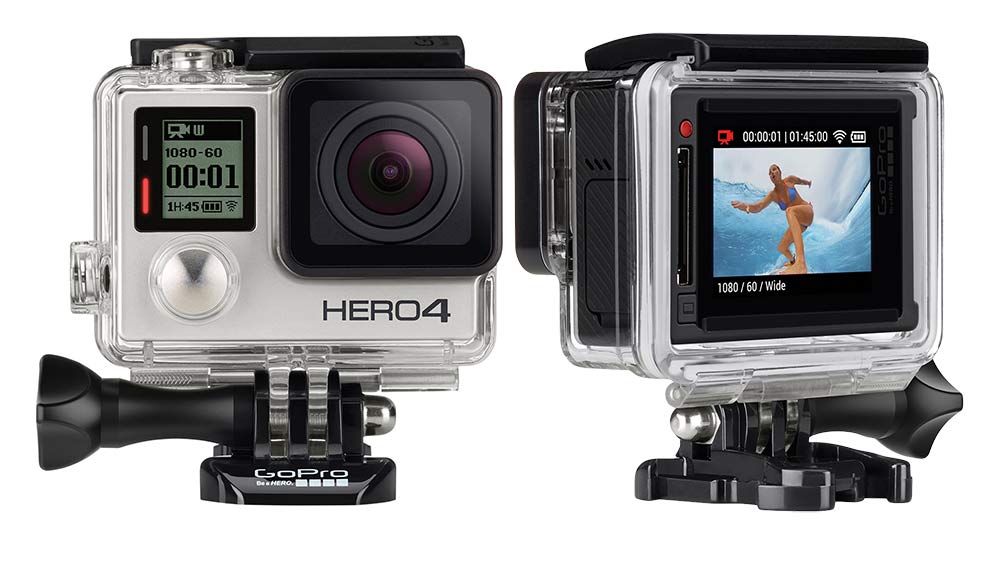
Suddenly, GoPro isn’t so “Go-Go” …

untitled2Most likely, I’ll never be a GoPro customer.

The only direct interaction I’ve had with the maker of action cameras was several years ago during the Great Target Credit Card Breach of 2013, when suddenly a half-dozen GoPro purchases mysteriously appeared on my card statement.

But other than that, my connection with GoPro and its line of cameras has been nonexistent — which isn’t at all surprising considering that at my age, I’m hardly an “action adventurer.”

Unfortunately for GoPro, many other people aren’t, either – and it’s one reason why the company’s financial results have been pretty ugly coming off of the most recent holiday season.

This past week, GoPro announced that it is cutting nearly 10% of its workforce (more than 100 people) because of weak sales during the 4th Quarter.

In a holiday quarter when product purchases should have grown revenues considerably, the weaker-than-expected sales volume of ~$435 million meant that GoPro’s revenues were far short of the $510 million originally projected.

From the financial market’s perspective, this news was sufficiently negative that trading of GoPro shares had to be halted briefly this past Wednesday.

untitled
GoPro shares over the past six months.

The company promises to divulge more information about its financial results in early February, but some observers are already beginning to paint the picture of what’s out of kilter:

  • GoPro misjudged the price consumers were willing to pay for its Hero4 Session cube cam, introduced in July 2015, resulting in two dramatic drops of the sticker price in September and December down to $199. 
  • Competitors are entering the field, putting further downward pressure on pricing. 
  • There’s a ceiling on the demand for action cameras because “action adventurer” consumers are such a small slice of the general population.

But does any of this come as a particular surprise?

Like in any other consumer electronics product category, the trajectory of high growth among early adopters leads to new market entrants, followed by the hardware becoming essentially a commodity.

… And the whole process is as swift as it is inevitable.

GoPro is branching into newer segments like camera drones — and not a moment too soon. But the reality is that in a product segment like action cameras, any supplier will always be just one step ahead of commoditization.  And for this reason, product mix reinvention has to be happening continuously.

Customer Satisfaction: Going in the Wrong Direction?

The new American Customer Satisfaction Index report points to disappointing trends over the past year.

acsiAnother year has gone by — and with it the unsettling revelation that companies may be more talk than action when it comes to improving their customer satisfaction levels with customers.

The latest evidence of this comes from newly released ASCI (American Customer Satisfaction Index) figures. The data were compiled from results reported by ACSI in 2015 based on surveys conducted from Q4 2014 though Q3 2015.

What the ACSI report shows is that customer satisfaction is trending in the wrong direction. Of the 43 industries tracked by ASCI, only five of them registered an overall improvement in customer satisfaction score, while the other 38 declined or stayed the same.

The ASCI index includes more than 325 measures, with some companies represented in multiple industries where they hold substantial market share. Each company’s rating is based on a total possible high-score of 100.

Here’s the unpleasant bottom-line finding: In nearly 60% of the cases where year-over-year comparisons were possible, customer satisfaction scores have declined over the past year.

Where are the biggest problem areas? Perhaps not surprisingly, four of the five companies that experienced the largest declines in customer satisfaction were in the communications sector:   Comcast, AT&T, Cox Communications and Time Warner Cable.

ccComcast experienced a particularly bad result, with its ASCI score dropping ~10 percentage points to 54, tied for second-lowest among all companies included on the index. Cox Communications’ rating declined ~9 points to 58, and Time Warner Cable showed a similar percentage decline all the way down to a 51 score – the lowest rating recorded among all the companies on the index.

On the other hand, there were some bright spots in the latest ASCI report — and a lot of it has to do with Internet-based sectors.

Indeed, three of the five industries which charted overall improvements in customer satisfaction ratings are Internet-based, including Internet retail (up ~5 percentage points to an index of 81, the highest total achieved by any of the industries categories).

Other industries that exhibited an improvement in customer satisfaction ratings over the past were online travel services (which improved by ~1.5 percentage points to a composites score of 78) and social media (up ~4 percentage points to 78).

Two other industries that notched improved composite scores were household appliances – doing quite well with an ~81 score — and passenger air travel which, while still mired in a low index of 71, actually is during a tad better than in earlier years.

Even though the overall trends in customer satisfaction haven’t been in the right direction, more than 70 companies managed to achieve ACSI scores of 80 or better in the most recent evaluation, which has to be considered a very positive outcome. Most of these firms are manufacturers rather than service companies – which also continues a trend observed in prior-year surveys.

Additional results and detailed findings can be viewed here. Do any of the company findings surprise you?

What’s in a name? When it comes to senior living communities – plenty.

BrooksideFor those of us “of a certain age,” it seems hard to believe that within five years, most of the Baby Boomer generation will be of retirement age.

… This also means that millions of people will be thinking about downsizing, right-sizing, or whatever the applicable term may be.

All sorts of considerations come into play when making such a decision; climate, social, cultural and recreation opportunities, plus proximity to relatives are some of the most common.

But when the dust settles, most people will actually end up “aging in place.”

That’s one key finding from a recent survey of ~4,000 American Baby Boomer households that was conducted by the Demand Institute Housing & Community.

Not only do nearly two-thirds of the respondents plan to stay in their current homes, the majority of them feel that their homes are well-suited for aging – even if they’re multi-story, don’t offer accessibility features, or aren’t particularly low-maintenance structures.

But the survey suggests another interesting dynamic that may also be at work:  the notion that senior living communities are primarily places for people who have serious health issues or who can’t take care of themselves on their own.

Let’s face it.  Baby Boomers don’t consider themselves part of that cohort at all, which they equate with people who are substantially more elderly than themselves.

When you think about it, so many of the terms used to describe senior living facilities convey exactly the wrong thing to Baby Boomers.  The names may well be accurate descriptions of the properties in question, but they fairly scream “geriatrics.”

community

I’ve run across quite a few descriptors.  A good number of them reside in the same wheelhouse – which is to say, distinctly unattractive.  Meanwhile, other alternative names are often too narrowly descriptive as well, because one important aspect of senior living is to access to continuing care if and when that becomes necessary.

Either way, those charged with marketing these properties clearly prefer the word “community” over the word “center” or “home.”  But you can be the judge of how successful these names really are:

  • 55+ communities
  • Active adult communities
  • Age-restricted communities
  • Continuing care retirement communities
  • Elder cohousing communities
  • Independent living communities
  • Leisure communities
  • Mature living communities
  • Senior housing communities
  • Senior living communities

The bottom line on this is pretty fundamental:  Few people – regardless of how old they are – wish to be reminded of the limitations of life on a downward curve.  It’s just not compatible with the positive attributes that are so much a part of human nature.  Anything we can do to avoid being reminded of our mortality, we’ll do.

Obviously, that reluctance to face the reality of aging is of concern to property developers in the housing industry as well.  One of the actions coming out of field research such as the Diamond study is a new initiative to establish an alternative “umbrella descriptor” that works across the entire spectrum of senior living facilities.

It will be interesting to see where that exercise will end up.  As for me, I’m guessing it’ll still telegraph “geriatric.”  But perhaps we’ll end up being surprised.

Old Forester: A storied brand attempts a comeback.

Old Forrester bourbonA half century ago, Old Forester bourbon was the big brand name in the spirits business.  As the flagship brand of the Brown-Forman Corporation, it routinely sold in quantities approaching one million cases each year.

Back in the day, Old Forester was marketed as “America’s Guest Whiskey” – the one to bring out when company came to visit.  (I remember finding an ancient bottle of Old Forrester when cleaning out my late mother-in-law’s liquor cabinet.)

Forward to today.  Despite a recent rise in bourbon sales, Old Forester is a near-forgotten brand entry.  Shipments barely topped 100,000 cases last year, and nearly half of all sales came from just two states:  Alabama and Kentucky.

What the heck happened?

In broad terms, American tastes in distilled beverages shifted away from scotch and bourbon to vodka and gin.  Wine became more popular, too.

But those changes affected the entire market for bourbon, scotch and other whiskeys.  What made Old Forrester sink so low in a category that’s actually been on an upward trend since 2000?

Two words:  “Jack Daniels.”

BF logoIn 1956, Louisville-based Brown-Forman, the makers of Old Forrester, acquired the iconic Jack Daniels brand, and promptly started marketing it big-time.

Jack Daniels advertising has been pretty constant in the decades since.

Then in the mid-1990s, Brown-Forman introduced Woodford Reserve, which it marketed as premium bourbon — much as Old Forester had been a half-century before.

With all of the attention lavished on these two brands, Old Forester got squeezed out of the action.

But as it turns, out, there may be a second act for Old Forrester after all.  Starting in 2001, bourbon shipments have been on a pretty steady upward trend, with total shipments now topping 1 billion liters annually.

Mad-Men-Season-6Some have attributed the growth in bourbon consumption to the success of the Mad Men TV series, but I suspect there’s a lot more to it than just that.

Besides, even with Mad Men going off the air, market forecast firm Cowen & Company predicts American whiskey growth rates will clock in at nearly 10% per year until 2020 at least.

Because of those dynamics, it comes as little surprise that brands like Bulleit Bourbon have been so very aggressive in the market.

New entrants abound, too, as there are now more than 26 distillery licenses issued by the state of Kentucky (up from just ten in 2011).

Evidently, the key managers at Brown-Forman must have decided that they weren’t going to let the market pass them by, and so they’ve committed to a major initiative to resuscitate the Old Forester brand name.  Major commitments and goals include:

  • Building a new distillery in Louisville that will open next year
  • Expanding the geographic reach of brand sales
  • Undertaking a $20 million marketing effort including digital advertising, point-of-sale promotion and bar promotions
  • Increasing annual shipments to 500,000+ cases within five years

What are the chances that Old Forester can regain its lost luster and once again become one of America’s esteemed bourbon brands?

Brown-Forman's Campbell Brown, a fifth-generation family member, heads up the Old Forrester branding initiative.
Brown-Forman’s Campbell Brown, a fifth-generation family member, heads up the Old Forrester branding initiative.

There are no guarantees, of course.  But starting with a venerable brand name … and then appointing a seasoned industry veteran — and fifth generation Brown family member as well — to head the effort may give this initiative pretty decent odds of success.

We’ll check back in four or five years and see how it all turns out.

Getting Our “Just Rewards” in Airline and Hotel Loyalty Programs

If you think your airline or hotel rewards program is “merely mediocre” … you’re likely not alone.

Rewards ProgramsU.S. News & World Report’s just-published annual listing of the best and worst rewards programs in the airline and hotel industries is confirming what many people already suspect: some of America’s biggest loyalty programs are also some of the least liked.

Let’s start with the airlines. USN&WR ranked the ten largest programs on a variety of attributes including the ease of redeeming points for free flights and hotel stays.

Best Airline RewardsThe three best performing airline rewards programs do include two with high participation rates — American and Southwest:

  • #1: Alaska Airlines Mileage Plan
  • #2: American Airlines AAdvantage
  • #3: Southwest Rapids Rewards

But three other programs, including two of the biggest ones — United and Delta — bring up the rear:

  • #8: United MileagePlus
  • #9: Delta SkyMiles
  • #10: FREE SPIRIT

Ranked in between are four other airline rewards programs, generally ones with fewer participants because of the smaller size and narrower geographic reach of the airlines involved:

  • #4: JetBlue TrueBlue
  • #5: HawaiianMiles
  • #6: Virgin America Elevate
  • #7: Frontier EarlyReturns

As for which airline rewards programs experienced significant changes in their rankings between this report and last year’s, the biggest shift was JetBlue, which fell from the top-ranked position in 2014 to fourth place in the latest ranking.

Hotel Rewards Programs

Best Hotels RewardsUSN&WR took the same approach with hotel rewards programs, but evaluated a larger group of 18 programs. The five best-ranked hotel programs are the following ones:

  • #1: Marriott Rewards
  • #2: Wyndham Rewards
  • #3 (tie): Best Western Rewards and Club Carlson
  • #5: IHG Rewards Club

Marriott’s top ranking is a repeat from the 2014 USN&WR rankings, and it’s due to maintaining high strength in the three-legged stool of critical factors: having an extensive hotel network; a relatively lower requirement for earning and redeeming free hotel stays; and generous “extras” as part of its membership perks.

Also noteworthy was Wyndham Rewards ascent to the #2 position from #7 a year earlier.  Its dramatic improvement was attributable to changing its program policies to allow members to redeem a night’s hotel stay for a flat rate of 15,000 points across the board.

At the other end of the scale were these low-ranked rewards programs:

  • #14:  Kimpton Karma Rewards
  • #15: Le Club Accorhotels
  • #16: Fairmont President’s Club
  • #17: iPrefer
  • #18: Loews YouFirst

The worst programs score that way because in comparative terms, they lack easy ways to earn points.  Also, in many cases their geographic coverage and/or property diversity is lacking.

[Perhaps the bottom-ranked program will need to change its name to Loews YouLast …]

For the record, the hotel rewards programs that came in the middle of the pack are these:

  • #6: Leaders Club
  • #7: La Quinta Returns
  • #8: Starwood Preferred Guest
  • #9: Hilton HHonors
  • #10: Hyatt Gold Passport
  • #11: Choice Privileges
  • #12: Stash Hotel Rewards
  • #13: Omni Select Guest

More information about the USN&WR rewards program rankings for both industries can be found here.

What about your personal experience with various airline and hotel programs? Do you have one or two particular favorites? Or ones you’ve decided to stay away from at all costs? Please share your perspectives with other readers.

In case you’re wondering … consumers don’t really care about brands all that much.

branding“I don’t want a ‘relationship’ with my brands.  I want the best products at the best price.” — Jane Q. Public

In the era of interactive marketing and social media, there’s often a good deal of talk about how certain brands are successfully engaging their customers and creating an environment of “brand love” — or at least “brand stickiness.”

It’s not only consumer brands like Chipotle and Under Armour, but also B-to-B and hybrid brands like Intel, Apple and Uber.

As a person who’s been involved in marketing and advertising for well over a quarter-century, I tend to treat these pronouncements with a little less open-mouthed awe than others.

I get how when a brand is particularly admired, it becomes the “go-to” one when people are in the market for those particular products and services.

But the idea that there’s real “brand love” going on — in a sense similar to people forging close relationships with the people in their lives — to me that’s more far-fetched.

The marketing research I’ve encountered appears to refute the notion as well.

Case in point: In an annual index of “meaningful brands” published by the Havas MarComm agency, the research finds that very few consumers cite brands they “can’t live without.”

The 2015 edition of the Havas Meaningful Brands Index has now been released … and the results are true to form. Among U.S. consumers, only about 5% of the 1,000 brands evaluated by Havas across a dozen industries would be truly missed if they were no longer available.

It’s a big survey, too:  Havas queried ~300,000 people across 34 countries in order to build the 2015 index. Broadly speaking, the strength of brands is higher in countries outside the United States, reflecting the fact that trust levels for leading brands in general are higher elsewhere — very likely because lesser known brands or “generics” have a greater tendency to be subpar in their performance.

But even considering the brand scores globally, three out of four consumers wouldn’t miss any brands if they suddenly disappeared from the market.

What are the exceptions? Looking at the brands that scored highest gives us clues as to what it takes to be a brand that people truly care about in their lives.

Samsung is ranked the #1 brand globally. To me, it makes perfect sense that the manufacturer of the most widely sold mobile device on the planet would generate a strong semblance of “brand love.”

Even in the remotest corners of the world, Samsung has made the lives of countless people easier and better by placing a powerful computer in their pocket. It’s only logical that Samsung is a brand many people would sorely miss if it disappeared tomorrow.

The second strongest brand in the Havis index is Google. No surprise there as well, because Google enables people to research and find answers on pretty much anything that ever crosses their minds. Again, it’s a brand that most people wouldn’t want to do without.

But beyond these, it’s plain to see that nearly all brands just aren’t that consequential to people’s lives.

With this in mind, are companies and brands spending too much energy and resources attempting to get customers to “care” about them more than simply to have a buying preference when the time comes to purchase products and services?

Brand-LoyaltyRelated to that, is adding more “meaning” to a brand the answer to getting more people to express brand love? Or does it have far more to do with having products that meet a need … work better than competitors’ offerings … and are priced within the means of more people to purchase?

Havas — and common sense — suggests it’s the latter.

Do that stuff right, and a company will earn brand loyalty.

All the rest is just froth on the beer … icing on the cake … good for the psychological bennies.


“Harbingers of Failure”: When Early Adopters Spell Doom Rather than Boon for a New Product

shop

There’s an interesting new perspective about certain early adopters of new products:  Rather than being a predictor of success, they could well be a harbinger of failure.

Four researchers – Eric Anderson of Northwestern University along with Duncan Simester, Song Lin and Catherine Tucker from MIT – have come to this conclusion after analyzing actual purchase transaction data collected from consumers.

Their findings were published in the January 2015 edition of the American Marketing Association’s Journal of Marketing Research.

Specifically, the researchers mined a comprehensive dataset of purchase transaction information collected by a large retail chain that sells consumer packaged goods.

What the four researchers discovered was that there are certain customers whose decisions to adopt a new product are a signal that the product will likely fail rather than succeed.

Moreover, their analysis revealed that because these early adopters have preferences that aren’t representative of other consumers in the market, these adoption patterns can be isolated from those of other customers, enabling a company to predict the propensity of a new product to succeed or fail.

These “harbingers of failure,” as the researchers dub them, are consumers who fall into two categories:

  • They purchase products that are “flops” – the ones that end up failing and being removed from the market.
  • They purchase products that, while remaining available in the market, are “niche” offerings that few other customers buy.

Either way, the consumers exhibit purchase behaviors that are an “unrepresentative” subset of purchasers.

The study suggests caution when looking at aggregate positive sales figures in product test markets. Instead of considering sales figures in the aggregate, companies should drill down and study the characteristics of the buyers – whether they are ones who typically back winners or losers.

The report draws ties to several “historical” brand introductions in which purchasers of the Swiffer® mop correlated with Arizona Iced Tea® – both winning product introductions – as compared to purchasers of Diet Crystal Pepsi® and Frito-LayTM Lemonade – both of which bombed.

According to the researchers, the success of the second product (Arizona Iced Tea) could have been foretold by analyzing the sales behavior of the first (Swiffer).

Similarly, the failure of Frito Lay Lemonade could have been foretold by looking at the disappointing sales behavior of the first (Diet Crystal Pepsi).

Because of the extensive database of transactions tied to individuals that is available today thanks to bar-code scanning, loyalty programs and the like, many large consumer product firms have access to a wealth of granular data. The study contends that more people should use these data to improve their share of product introduction successes.

The full report, including research methodology and statistical analysis, can be viewed here.

What’s happening with the Apple Watch these days?

Not all that much, it turns out.

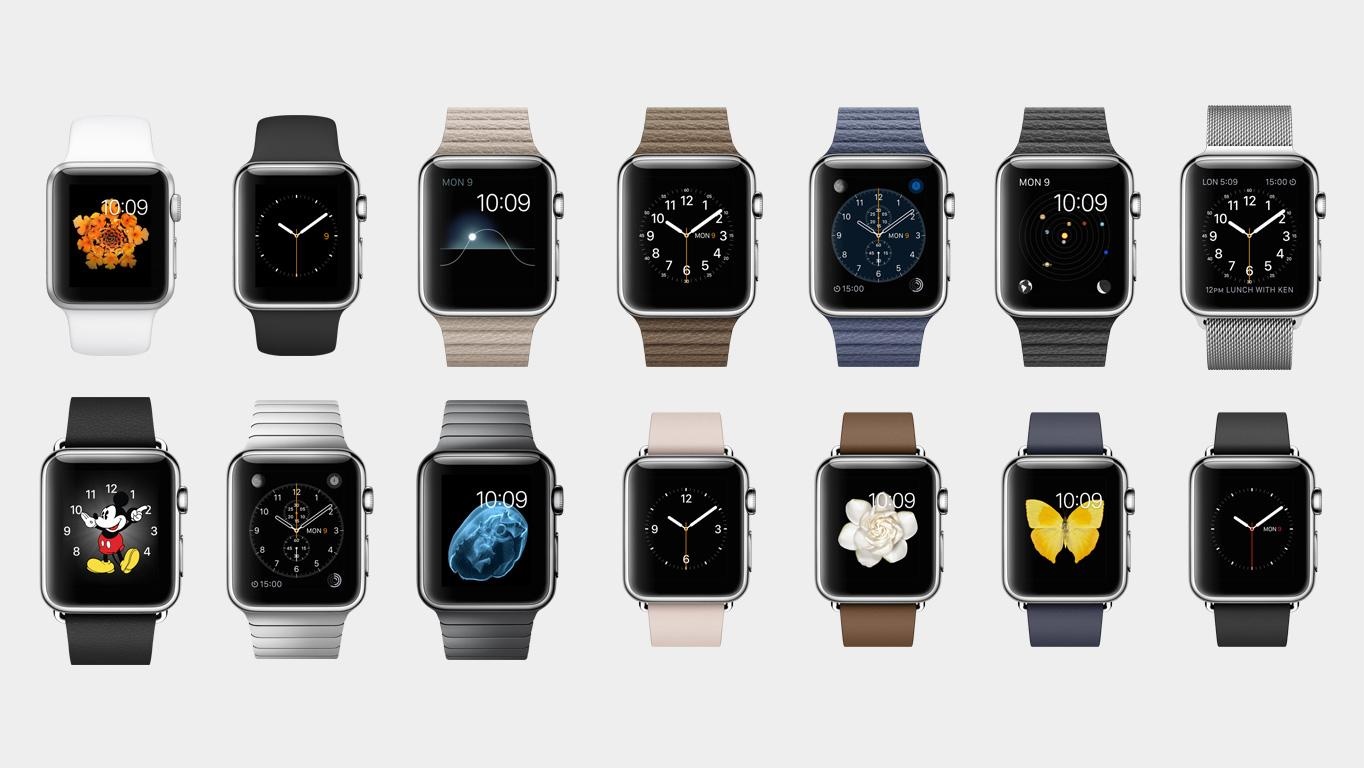
Apple Watch LineWhen is the last time you heard about a product introduction where initial sales were off by 90% barely three months after coming on the market?

If you’re thinking the Blackberry 10 … you’re wrong.

It’s the Apple Watch. Its introduction in April was made with a big amount of fanfare, promoted before and after the launch by PR, TV and online advertising, and even outdoor billboards.

But the hard truth is that aside from the tech community, few people are buying the Apple Watch.

According to Slide Intelligence, weekly Apple Watch sales have plummeted from around 200,000 per day at launch to fewer than 20,000 per day now. Moreover, most sales have been of the least expensive Sport model ($349).

Even worse, of those who have purchased an Apple Watch, fewer than four in ten would recommend the device to others.

You know there’s a problem when a new product engenders ridicule such as this brief, highly dismissive video review.

It may be too soon to write off the Apple Watch introduction as an abject failure. But I know one thing: The market’s (lack of) receptivity so far can’t be what Apple execs were hoping for.

It must be quite a comedown for a company that experienced the dizzying popularity of the iPod, iPhone and iPad right out of the box — and where those product sales continued to climb at an increasing rate for months or years after their debut.

google-glass-fashionSome people are comparing the Apple Watch introduction to what happened to Google Glass – likewise the victim of tepid sales to the point where Google quietly removed the product from the market after making a go of it for about two years.

Actually, I’m not quite sure the comparison is completely apt.

For starters, Google Glass didn’t come on the market backed by a ginormous PR and advertising campaign. In fact, it wasn’t really presented as a full-blown product – but more like a project with a beta test component.

Also, it was never made available in wide release; some people I know who wanted to “kick the tires” with Google Glass had difficulty finding out how they could do so.

But besides the very different rollout strategies, another factor might explain a more fundamental difference – and which has hugely negative potential impact on the Apple Watch.

Whereas Google Glass offered its wearers some truly new functionality, what does the Apple Watch deliver besides being merely a miniature version of an iPhone?

When something is less user-friendly (too miniature for many) … doesn’t offer any new functionality over alternative products … and is pretty expensive to boot, is it any wonder that the Apple Watch’s debut has had all the pizzazz of a cold mashed potato sandwich?

Speaking personally, I don’t consider a multipurpose device about an inch square in size as a “must-have” gadget, and I’m pretty sure others would agree with me.

Technology writer and CRM specialist Gene Marks cautions that the Apple Watch’s future isn’t likely to be much brighter than its less-than-impressive performance to date because of this fundamental liability: “The Apple Watch is not making people or companies quicker, better or wiser,” he contends.

In the world of technology and gadgets, that’s not recipe for success. Just ask Blackberry.

Now … let’s hear from Apple Watch users.  What’s your take?

What’s driving innovation in consumer packaged goods these days?

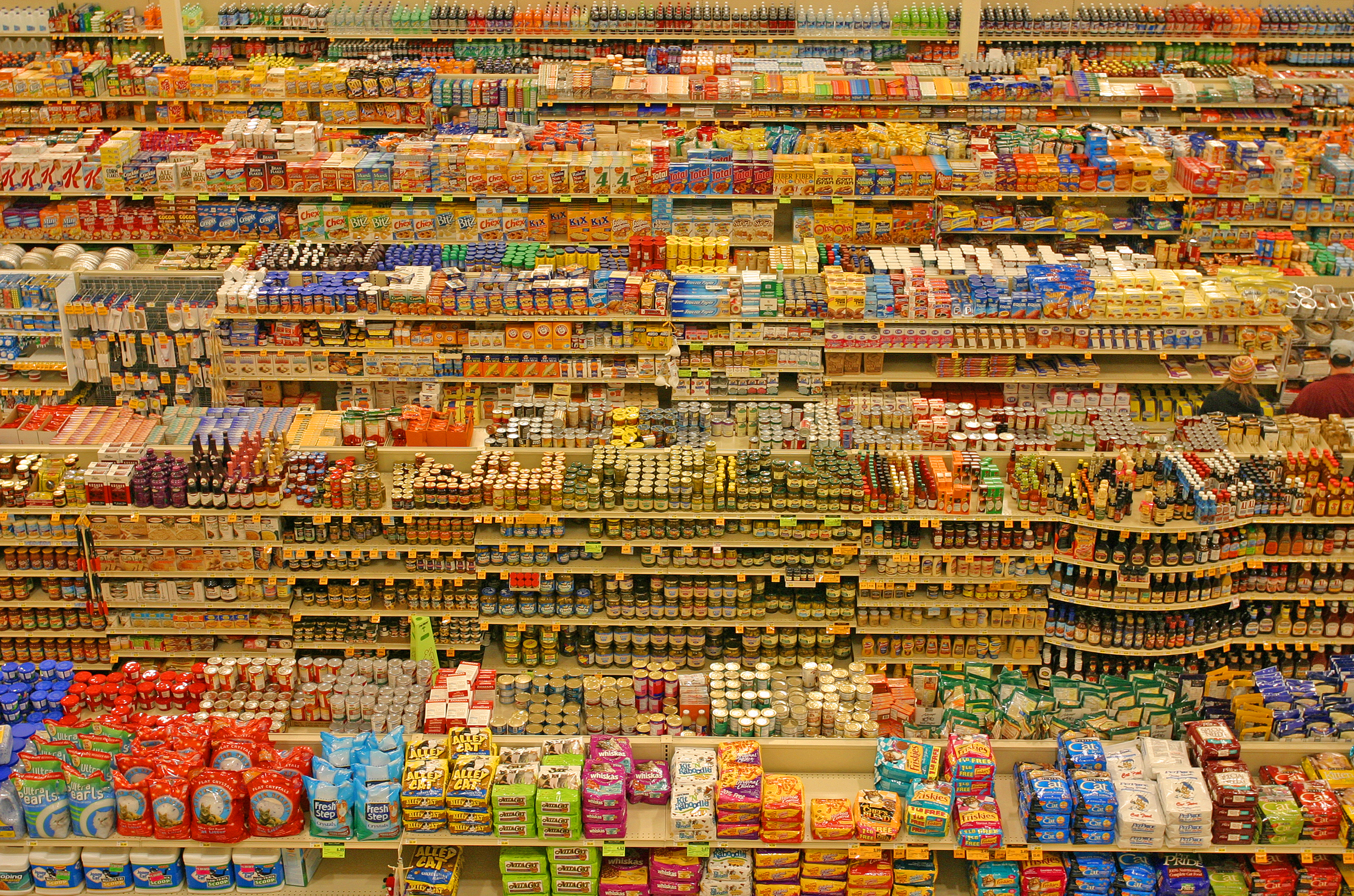
Consumer packaged goodsWith the steady rise in the number (and variety) of consumer packaged goods offerings, one might wonder if the factors that drive CPG innovation are the same today as they’ve been in the past.

There’s no dearth of research to help give us clues to the answer.  In the first half of this year alone, major CPG research results have been published by the likes of Accenture, Deloitte, Forrester, IRI and Kantar – and that just covers the first half of the alphabet!

The broad takeaway from these reports is that there are six major trends driving innovation in the industry.  Three of them are just as important as they’ve ever been, and three additional ones are becoming more significant as time goes on.

The three “classic” trends that drive CPG innovation as much as ever are convenience, value, and specialization.

They’re fundamental, they’re significant, and they haven’t lost their importance based on what’s happening in the larger marketplace or the economy:

Convenience is a major driver because consumers are always looking to get what they need faster and with less effort than before.  If a product saves time and delivers multi-benefit solutions, consumers will respond.

Value is always perennially important.  When the perceived value of a product goes down because of price pressures or a lack of differentiating benefits, brand loyalty is adversely affected.

Specialization – Product formulation and packaging can affect the way consumers feel about products.  The more that can be provided in the way of a “just-for-me” solution as opposed to “one-size-fits all,” the better.

If they concentrate on these three trends, most CPG brands do pretty well.  But there are three additional trends that appear to be gaining momentum.  Add them to the repertoire, and an additional competitive edge can be established:

Portability – As consumers’ lives have become more mobile than ever, a premium is placed on brand that can deliver on-the-go offerings.

Environmental Impact – It’s been a long time coming, but this trend finally appears to be reaching some semblance of critical mass. More consumers are considering environmental factors — not just as attributes for products that are “nice to possess,” but actually necessary for making a responsible choice. It’s more than the product itself; it’s also sourcing, manufacturing, distribution and disposal.

Health Impact – The days of CPG products being big on convenience but bad on health are numbered. Thanks to better education and more out-of-pocket medical-related cost responsibilities, health awareness among consumers has never been higher. It may not be translating yet into improved health metrics like lower obesity rates, but there’s pretty clear evidence that more people understand health risks and are taking more responsibility for their own personal health and that of their family members.  Products that can credibly claim to “healthy” benefits stand to gain in the competitive landscape.

Do you feel that there are other trends besides these six that that are influencing the development of consumer packaged goods today?  Perhaps ones associated with cultural diversity … or something else?  If so, please share your thoughts with other readers here.